
Which shifts make the most money?
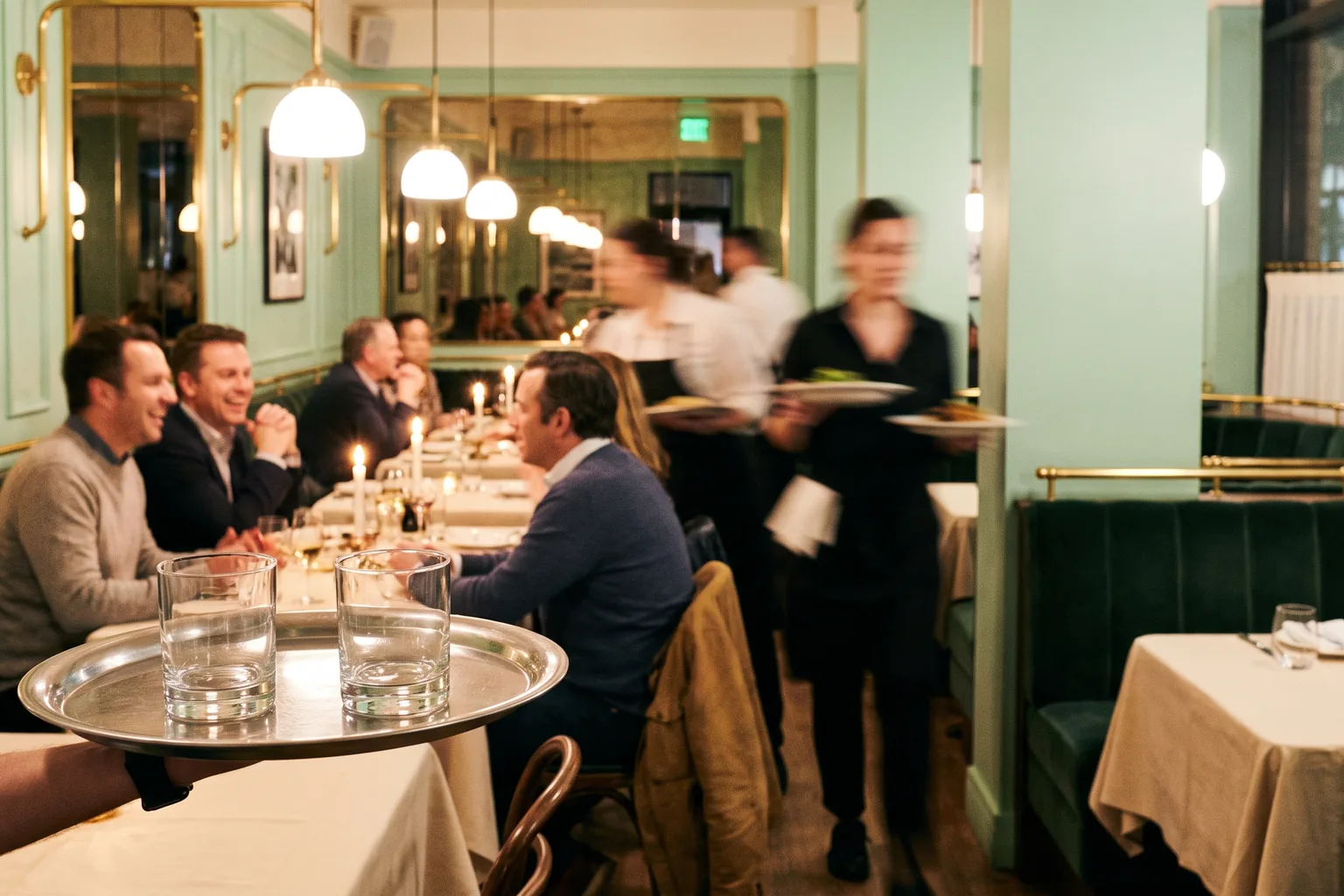
At most full-service restaurants, Saturday dinner is the highest-grossing shift of the week and Friday dinner is close behind, with Thursday a distant third and Monday the slowest. That is the pattern restaurant sales reporting shows on average. Your best shift is the one with the highest earnings per hour at your restaurant, in your section, and you can find it in about three weeks of logging.
What the averages say
Weekend dinners win on volume: the most covers, the largest checks and the most alcohol, which is where tip percentages climb. Sunday brunch often tips a higher percentage but on smaller checks and shorter shifts, so it tends to pay less in take-home. Weekday lunches are steady, short and low. Monday, at most concepts, is the shift people trade away.
Averages are where to start, not where to stop. A hotel bar, a brunch-led café and a neighbourhood bistro have different weeks, and within one restaurant the patio, the bar and the private room all pay differently.
Total versus per hour
Saturday's total is usually the biggest, but Saturday is also the shift most likely to run long: an 11-hour double at $259 is $23.55 an hour, while a tight six-hour Thursday at $150 is $25. If you are choosing between shifts, the rate is the fairer measure. If you have a fixed number of shifts and want the largest cheque, total wins. Know which question you are asking.
The hourly rate formula is simple: net tips plus wage earnings, divided by hours actually worked.
How to find your own best shifts
You need about three weeks of complete entries, with hours and tip-out, and a note on anything unusual. Then:
- Compare the week subtotals first. Weeks with an extra weekend shift versus weeks without tell you what that shift is worth to you.
- Look at rows by weekday. Two or three Thursdays in a row at a lower rate than your Tuesdays is a pattern, not a bad night.
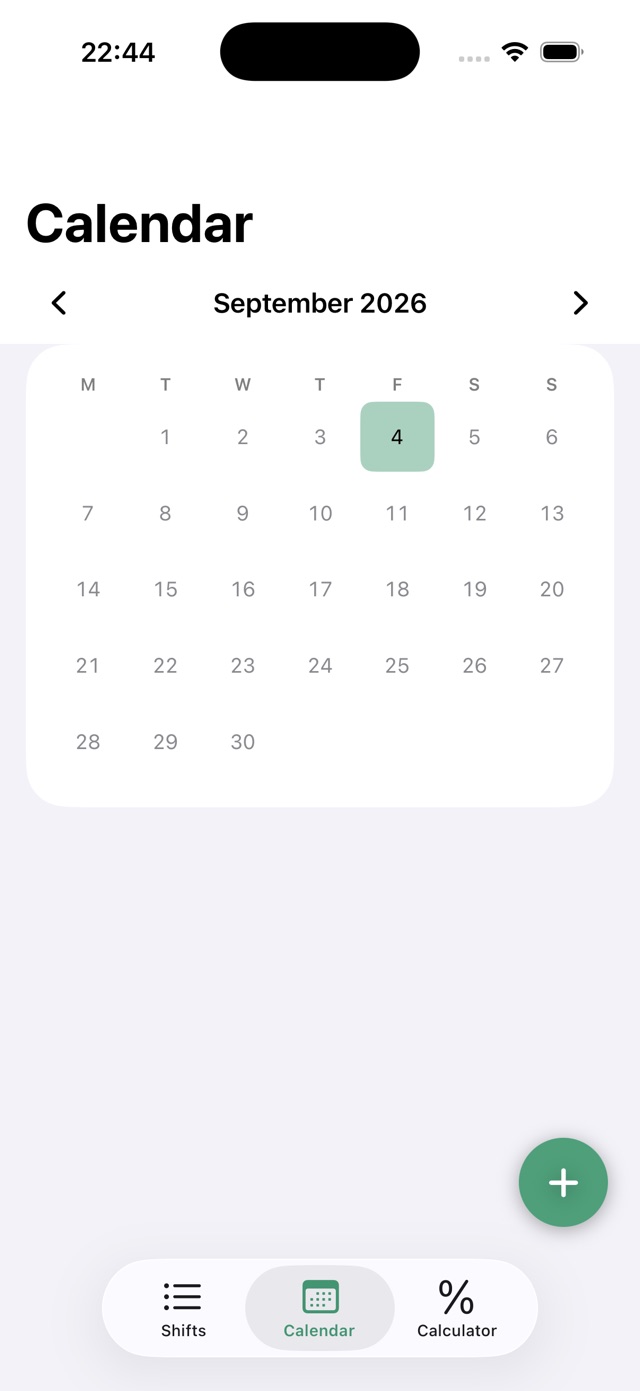
- Check the calendar for the days that paid. Shading by earnings makes a slow stretch obvious at a glance.
- Read your notes on the outliers. "Private party" or "patio closed for rain" explains a number that would otherwise mislead you.
Things that move the number more than the day
Section matters more than weekday at many restaurants; a six-table patio section on a warm Friday can outpay the dining room. Bar shifts trade lower tip percentages for volume. Events, holidays and local sport days change the week; so does the closing shift, which often adds an unpaid hour of sidework that quietly drags the rate down. Logging turns these from folklore into your own numbers.
Questions about shift patterns
How many shifts before the pattern is real?
About three of each shift type you are comparing. One Saturday tells you about that Saturday. Three Saturdays against three Thursdays tells you about your restaurant.
Should I count sidework hours when comparing shifts?
Yes. If closing adds 45 minutes of unpaid or wage-only time, that is part of the shift's real hours and it belongs in the rate. It is often the reason a closing shift pays less per hour than it looks.
Related guides
How to calculate your hourly wage with tips
The formula for a server's real hourly rate: wage plus net tips divided by hours, with worked examples and the three mistakes that inflate it.
Read the guide
How to keep track of tips as a server
What to write down after every shift, why net tips matter more than gross, and how to make tracking your tips a 30-second habit.
Read the guide
How to track tips from two jobs
Tracking tips across two jobs: separate wages and tip-out rules, comparing hourly rates per job, and keeping one export for tax time.
Read the guide
How to calculate tip-out as a server or bartender
Tip-out with worked examples: percentage of tips, percentage of sales and flat amounts, typical rates, and how to make the deduction automatic.
Read the guideCanonical: https://tillside.co/guides/which-shifts-make-the-most-money/